




About Backrooms Hotel Lost Floor
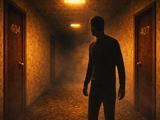
Backrooms Hotel: Lost Floor uses empty hotel rooms as a connected escape puzzle. Keys, notes, and codes can belong to different rooms, so a discovery may explain an earlier obstruction. The challenge is maintaining that connection while the floor's similar corridors make you feel as if nothing has changed.
How to Play Backrooms Hotel Lost Floor
Getting Started
- Identify a closed door or code panel before searching farther.
- Inspect neighboring rooms for the item or note relevant to it.
- Return to apply the clue, then explore the newly accessible space.
Controls
| Input | Action |
|---|---|
| Mouse | Look around |
| WASD / Arrow keys | Move |
| F | Interact |
| Shift | Run |
Connecting Notes, Codes and Rooms
A clue does not have to solve a puzzle in the room where you found it. When you discover a note or number, record it beside a room number or recognizable landmark. Compare it with the closed doors and code panels you have already seen before testing it.
Work through one neighboring area at a time, then return to the relevant obstruction when a new item gives you a reason. After an interaction succeeds, inspect the newly accessible room and identify what it adds to the route. Similar hotel corridors are easier to navigate when each return trip has a specific destination.
Practical tips
- Write a clue beside its room number or landmark; an isolated number is easy to confuse with another puzzle.
- Stop searching a room once you can name what it added to the route.
Frequently asked question
Why might a clue not work in the room where I found it?
A clue can relate to a puzzle in another room. Compare it with doors or panels you have already found instead of limiting the search to the area beside it.