





Live Granny4.io

HER TREES

Browser Instant Play Free
advertisement
Granny Games
64 games See all
Game Description

1. HER TREES Game Overview

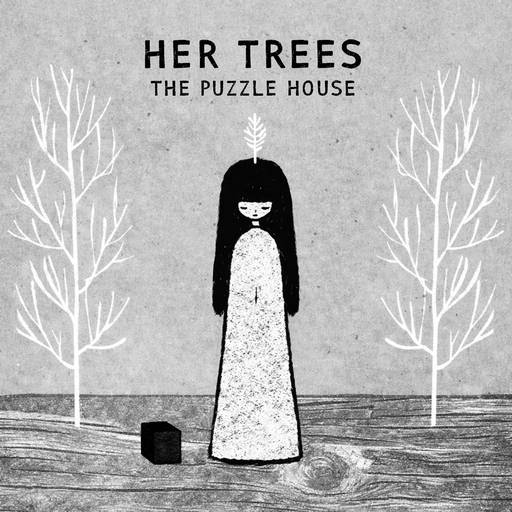
HER TREES is a horror puzzle / escape room game set in a confined and unpredictable house. Its central appeal comes from placing the player under pressure while still giving enough information to make deliberate decisions. Rather than treating every scare as a random event, the game asks you to study the behavior of an uncertain threat and turn that knowledge into a practical plan. Its signature scenario centers on decoding geometric patterns across stark black-and-white rooms in a surreal puzzle house. The basic loop is to search the area, connect clues to usable objects, and open a route forward while the environment continues to apply pressure. That loop is supported by clue interpretation, item logic, and connected locks and rooms, so progress depends on attention as much as quick reactions. A successful attempt usually begins slowly. Exploring the first safe area, checking the interface, and identifying the current objective prevents mistakes that create danger or close off a useful route. As the session develops, the same spaces become more threatening because information is incomplete and the cost of hesitation increases. This creates tension without requiring complicated setup. What makes the experience worth trying is the balance between fear and problem solving. A tool, route, clue, or timely decision can usually improve an otherwise dangerous situation. The experience is particularly well suited to escape-room fans who enjoy clues, item logic, and threatening settings. Those players should find a clear reason to return, test a cleaner strategy, and see how efficiently they can reach the objective.

Key Details:

  • Genre: Horror Puzzle / Escape Room
  • Difficulty Level: Variable
  • Average Play Time: 15–40 minutes per escape attempt
  • Best For: Escape-room fans who enjoy clues, item logic, and threatening settings

2. How to Play HER TREES

Getting Started:

  1. Search the starting area and inspect every object that appears interactive.
  2. Collect clues and note symbols, numbers, colors, or unusual object placement.
  3. Test items where they logically belong rather than using everything at random.
  4. Open one new area at a time and search it before moving deeper.
  5. Complete the final lock, route, or sequence to leave the location.

Basic Controls:

  • Mouse / Left Click: Look, select, inspect, aim, or interact as prompted.
  • E / Interaction Prompt: Use nearby objects when an interaction key appears.
  • Touch Controls: Tap the corresponding on-screen buttons on supported mobile browsers.
  • In-game Prompts: Follow the opening control guide because browser versions can map actions differently.

Objective: Solve the connected clues, unlock the necessary route, and leave the location before the threat stops the attempt.


3. HER TREES Features & Highlights

  • ✓ Connected clues make each solved puzzle open new possibilities
  • ✓ Item-based logic gives exploration a clear purpose
  • ✓ Locked areas create a readable sense of progression
  • ✓ Threat pressure prevents puzzle solving from feeling static
  • ✓ Compact escape attempts reward organized thinking

4. HER TREES Tips & Strategies

Beginner Tips:

  • Use the first attempt to learn the interface and nearby layout instead of rushing for a perfect result.
  • Avoid repeating an interaction without understanding what changed; this wastes time and can create unnecessary danger.
  • Choose one small objective, complete it cleanly, and then expand the route.

Advanced Strategies:

  • Plan movement from one safe point to the next and keep an alternate route available.
  • Use sound, doors, corners, and obstacles to manipulate the threat’s path.
  • Bundle nearby objectives into one trip only after the area’s danger pattern is understood.

What to Watch Out For:

  • Tunnel vision: focusing on one clue or enemy can hide a new threat; pause and rescan the surroundings.
  • Resource panic: using every defensive option immediately leaves nothing for the next phase; spend only what solves the current problem.

5. HER TREES Game Elements Explained

Clue and Item Logic: Progress in HER TREES comes from understanding relationships between clues, objects, and locked spaces. Begin by separating information from usable items. A symbol sequence may solve a code later, while a tool usually belongs to a physical obstacle. Inspect each new room completely and remember where unresolved locks are located. When an item is collected, ask what property makes it useful: its shape, color, number, material, or written label. Test the most logical connection first. Randomly trying every item can work, but it obscures the puzzle’s structure and wastes time when a threat is active. Opening a door often creates a new search area and may also change enemy movement, so do not rush forward without checking your escape route. The system matters because puzzles are the real map of the game: each solution reveals where to investigate next. Players who organize clues and revisit earlier barriers methodically will progress with fewer dangerous detours. Practice the sequence during an early attempt so it remains usable when the pace increases.

Risk, Information, and Progress: HER TREES becomes easier to understand when progress is measured in information as well as distance. Reaching a new room, surviving another phase, or revealing a story detail is useful, but learning how the game responds to an action can be equally valuable. Before taking a risk, identify what you expect to gain and how you will leave if the attempt fails. This prevents aimless exploration and protects limited time, health, power, ammunition, or safe hiding opportunities. Keep completed objectives separate from unresolved ones. Once a key route, clue, or behavior is confirmed, build the next attempt around that knowledge instead of checking everything again. Failure should answer a specific question: whether a route is safe, whether an item has another use, or how quickly the threat reacts. When several goals are available, finish the one that opens the most options while requiring the fewest exposed actions. This system matters because consistent progress reduces uncertainty. A calm player with a partial plan will usually perform better than a fast player reacting to every scare.


6. HER TREES Frequently Asked Questions

Q: How do I know where an item belongs? A: Inspect its shape, label, color, and number, then compare those properties with unresolved locks or devices. Revisit earlier rooms whenever a newly collected object matches an old obstacle.

Q: What should I do if I keep failing in the same place? A: Use the next attempt as a diagnostic run. Identify the exact action that triggered danger, change only that part of the route, and preserve a safe fallback position.

Q: Is this game compatible with phones, tablets, and desktop browsers? A: The game is delivered through a browser, but control support depends on the embedded build. Desktop play with a keyboard and mouse is the safest option; mobile players should confirm that touch controls appear before starting a long session.

Q: Can I save my progress? A: Save behavior depends on the individual browser build. Some games store progress locally, while short-session games restart when the page reloads. Avoid clearing site data and finish the current stage before closing the tab whenever possible.

Q: How do I unlock later content or additional outcomes? A: Complete the current objective, survive the required stage, or finish a different decision route. If no unlock menu is shown, progression is likely automatic or tied to actions inside the current run.


7. Games Like HER TREES You Might Enjoy

If you like HER TREES, you might also enjoy:

  • Trollface Quest: Horror 3 - It combines connected clues with a threatening setting and a clear escape objective.
  • Craft Doors - It combines connected clues with a threatening setting and a clear escape objective.
  • Escape Room: Strange Case 2 - It combines connected clues with a threatening setting and a clear escape objective.