





1. CreepyDates Game Overview
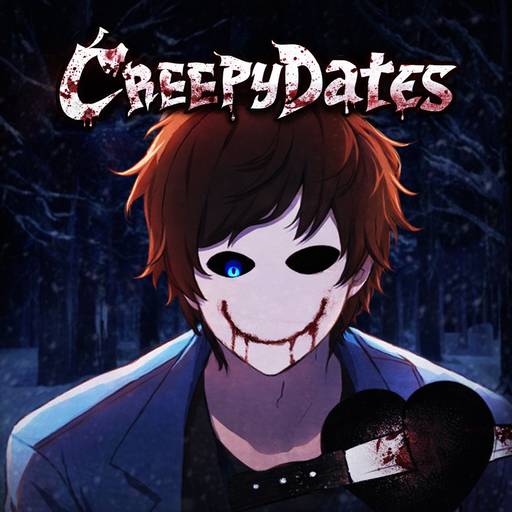
CreepyDates is a psychological horror / interactive story game set in a hostile, isolated forest. Its central appeal comes from placing the player under pressure while still giving enough information to make deliberate decisions. Rather than treating every scare as a random event, the game asks you to study the behavior of characters and forces whose intentions remain unclear and turn that knowledge into a practical plan. Its signature scenario centers on entering risky visual-novel relationships with recognizable creepypasta-inspired characters. The basic loop is to read each scene carefully, examine the context behind dialogue, and choose responses that keep the story moving without ignoring warning signs. That loop is supported by dialogue choices, character-focused storytelling, and route consequences, so progress depends on attention as much as quick reactions. A productive first run begins slowly. Reading the opening scenes in full establishes each character’s normal behavior and makes later changes easier to recognize. As the story develops, familiar conversations gain new meanings and the cost of an impulsive response increases. This creates tension without relying on constant action. What makes the experience worth trying is the way ordinary relationship choices can become part of the horror. Progress comes from interpretation, consistency, and curiosity rather than reflexes alone. The experience is particularly well suited to players who enjoy unsettling stories, consequential choices, and slow-burn tension. Those players should find a clear reason to return, test a cleaner strategy, and see how efficiently they can reach the objective.
Key Details:
- Genre: Psychological Horror / Interactive Story
- Difficulty Level: Easy to Medium
- Average Play Time: 20–60 minutes per story session
- Best For: Players who enjoy unsettling stories, consequential choices, and slow-burn tension
2. How to Play CreepyDates
Getting Started:
- Start a new story and read the opening scene before making a choice.
- Use the text box and choice buttons to move through conversations.
- Notice changes in character tone, visual details, and repeated information.
- Choose consistently with the route or outcome you want to investigate.
- Replay important branches if you want to compare consequences.
Basic Controls:
- Arrow Keys: Move or navigate.
- Mouse / Left Click: Look, select, inspect, aim, or interact as prompted.
- Touch Controls: Tap the corresponding on-screen buttons on supported mobile browsers.
- In-game Prompts: Follow the opening control guide because browser versions can map actions differently.
Objective: Reach a coherent story outcome by reading carefully, making deliberate choices, and responding to danger without overlooking critical narrative clues.
3. CreepyDates Features & Highlights
- ✓ Dialogue and narrative choices make careful reading part of play
- ✓ Character-focused scenes build tension gradually
- ✓ Route consequences encourage thoughtful replay
- ✓ Visual and tonal changes reveal important story information
- ✓ Short decision points keep interaction clear and accessible
4. CreepyDates Tips & Strategies
Beginner Tips:
- Read the complete scene before selecting a response; important context often appears near the end of an exchange.
- Avoid changing every decision during a replay because that makes route consequences difficult to identify.
- Choose a clear attitude for the first run and follow it consistently.
Advanced Strategies:
- Replay one decision point at a time to isolate which choice changes the route.
- Compare character wording before and after major choices for hidden state changes.
- Keep a simple route note if the story has several endings.
What to Watch Out For:
- Skipping text: small changes in wording can signal a major route shift, so slow down when a familiar scene begins to differ.
- Unstructured replays: changing many choices at once makes outcomes difficult to compare; test one important branch at a time.
5. CreepyDates Game Elements Explained
Choices and Story Routes: The story system in CreepyDates treats each choice as information about your priorities, not simply as a right-or-wrong quiz. Read the complete exchange before selecting an answer, because a harmless-looking response can change a character’s trust, reveal a new detail, or move the narrative toward another route. Visual changes, repeated phrases, and sudden shifts in tone are often as important as the explicit options. A useful approach is to decide what you are testing during a run: cooperation, resistance, curiosity, or caution. Staying consistent makes the results easier to understand. If the browser build allows replaying, compare one major decision at a time instead of changing every answer. That method shows which choice actually affected the scene. The system matters because tension comes from uncertainty about intent. Careful reading lets you notice manipulation earlier, preserve useful relationships, and avoid selecting an option only because it appears dramatic. Practice the sequence during an early attempt so it remains usable when the pace increases.
Resource Management and Progress: CreepyDates becomes easier to understand when progress is measured in information as well as distance. Reaching a new room, surviving another phase, or revealing a story detail is useful, but learning how the game responds to an action can be equally valuable. Before taking a risk, identify what you expect to gain and how you will leave if the attempt fails. This prevents aimless exploration and protects limited time, health, power, ammunition, or safe hiding opportunities. Keep completed objectives separate from unresolved ones. Once a key route, clue, or behavior is confirmed, build the next attempt around that knowledge instead of checking everything again. Failure should answer a specific question: whether a route is safe, whether an item has another use, or how quickly the threat reacts. When several goals are available, finish the one that opens the most options while requiring the fewest exposed actions. This system matters because consistent progress reduces uncertainty. A calm player with a partial plan will usually perform better than a fast player reacting to every scare.
6. CreepyDates Frequently Asked Questions
Q: How do I reach a different story route? A: Replay from the nearest major choice, change one response, and continue consistently with the new approach. Comparing one branch at a time makes the cause of each outcome easier to identify.
Q: What should I do if I keep failing in the same place? A: Review the last major conversation and choose a response that changes your relationship or investigation path. If the build has no chapter select, restart and advance quickly through familiar text.
Q: Is this game compatible with phones, tablets, and desktop browsers? A: The game is delivered through a browser, but control support depends on the embedded build. Desktop play with a keyboard and mouse is the safest option; mobile players should confirm that touch controls appear before starting a long session.
Q: Can I save my progress? A: Save behavior depends on the individual browser build. Some games store progress locally, while short-session games restart when the page reloads. Avoid clearing site data and finish the current stage before closing the tab whenever possible.
Q: How do I unlock later content or additional outcomes? A: Complete the current objective, survive the required stage, or finish a different decision route. If no unlock menu is shown, progression is likely automatic or tied to actions inside the current run.
7. Games Like CreepyDates You Might Enjoy
If you like CreepyDates, you might also enjoy:
- Death Loop - It offers another choice-driven horror story where reading characters and consequences matters.
- Deep Sea Boutonniere - It offers another choice-driven horror story where reading characters and consequences matters.
- Doki Doki Literature Club! - It offers another choice-driven horror story where reading characters and consequences matters.