





Live Granny4.io

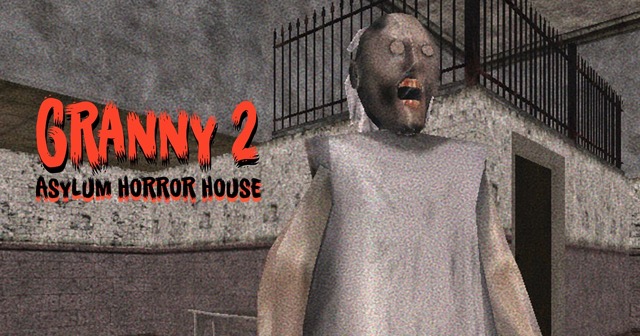
Granny 2 Asylum Horror House

Browser Instant Play Free
advertisement

Game Description

Granny 2: Asylum Horror House


1. Game Overview

Granny 2: Asylum Horror House takes the series into its most hostile environment yet: a run-down psychiatric facility where the threats don't stop at one. Granny patrols the mold-stained hallways. Zombies shuffle through rooms with jerky, accelerating movement when they spot you. And Slendrina — pale, silent, appearing without warning — causes your character to freeze if you meet her gaze for too long. Three distinct types of danger occupying the same building, each requiring a completely different response, and a weapon system with limited ammunition that makes each encounter a resource decision as much as a survival challenge.

The asylum's physical environment amplifies every threat. Sticky floors slow your movement in ways that create asymmetric pursuit dynamics. Cracked mirrors and peeling walls reduce visibility in already dim corridors. Switch panels that buzz on the walls, codes scrawled under loose floor tiles, lever systems with destinations that aren't obvious — the escape isn't a simple key-and-door progression. The building's puzzle systems are embedded in the infrastructure of the asylum itself, and solving them requires reading the environment carefully rather than interacting with obvious, labeled objectives.

The full weapon and tactical toolkit reflects the complexity of what you're facing: firearms with reload and aim mechanics, melee options, grenades, a slow-motion mode for high-pressure encounters, and a peek system for checking corridors before entering. A dedicated hint system (O key) provides directional guidance on objectives when the puzzle structure becomes opaque. This is the most mechanically equipped horror experience in the Granny series on the site.

Rated 4.09 out of 5 by over 60 players, Granny 2: Asylum Horror House is the most ambitious multi-threat survival horror game in the catalog.

Key Details:

  • Genre: Survival Horror / Escape Puzzle
  • Difficulty Level: Hard
  • Average Play Time: 30–60 minutes per session
  • Best For: Experienced horror escape players aged 13+; fans of multi-threat survival games with weapon management; players comfortable with complex environmental puzzles under sustained pressure

2. How to Play

Getting Started:

  1. Search your starting room thoroughly before entering the hall — The cramped room you wake in contains at least one useful item — typically a key wedged behind the warped bathroom door. Interact (F) with every surface and furniture piece before stepping into the asylum's hallway where all three threat types may already be active.
  2. Listen at the wall before opening any door — The original game description's advice is the best possible guidance: press your character against doors and listen for groans, shuffling, or laughter before opening. Each of the three threat types produces distinct audio — Granny's footsteps, zombies' shuffling moans, and Slendrina's unsettling silence are all distinguishable with attention.
  3. Move at crouch speed through corridors — Crouch (Ctrl or X) as your default movement stance. Noisy movement attracts both Granny and the zombies, and the asylum's layout gives you very few truly safe moments to move at full walk or run speed outside of emergency situations.
  4. Treat Slendrina encounters as freeze-and-look-away emergencies — If Slendrina appears and you hold eye contact, your character's movement will freeze. The moment she appears in your field of view, look immediately at the floor or a wall. Avert your gaze and back away slowly before resuming your route through an alternate path.
  5. Use the O key for hint guidance on puzzle objectives — The asylum's switch panels, floor-tile codes, and lever systems are genuinely complex. When a puzzle objective isn't yielding to your current approach after thorough environmental examination, use the hint system before spending additional time searching.

Basic Controls:

ActionInput
Look aroundMouse
MoveWASD or Arrow Keys
ShootLeft Mouse Button
Aim (sight)Right Mouse Button
ReloadR
HolsterH
Change weaponMouse Wheel
Peek left / rightQ / E
View controlsI
HintO
InteractF
Slow motionT
GrenadeG
CrouchCtrl or X
JumpSpace
RunShift
PauseEsc

Objective: Escape the asylum by solving its embedded puzzle systems — wall switch panels, hidden floor-tile codes, and lever mechanisms — while surviving simultaneous patrols from Granny, zombie creatures, and Slendrina. Scavenge weapons and ammunition throughout the facility, manage limited resources carefully, and use the hint system when puzzle objectives become unclear.


3. Game Features & Highlights

  • Three simultaneous threat types — Granny (noise-reactive patrol), zombies (sight-triggered acceleration), and Slendrina (gaze-based freeze mechanic) create the most complex multi-threat environment in any game on this site
  • Environmental puzzle system — Wall switch panels, codes hidden under loose floor tiles, and lever mechanisms with non-obvious destinations replace standard key-and-lock escape progression with embedded infrastructure puzzles
  • Full tactical weapon system — Firearms with reload, aim, holster, and weapon-swap mechanics; grenades; and slow-motion mode provide the most comprehensive offensive toolkit in the Granny series on the site
  • Slendrina gaze-freeze mechanic — A unique third-threat mechanic: prolonged eye contact with Slendrina temporarily freezes your character's movement — requiring immediate gaze aversion on detection rather than standard evasion
  • Scavenge-based resource management — Weapons and ammunition found throughout the asylum rather than given at the start, creating ongoing resource pressure that makes every engagement decision consequential

4. Tips & Strategies

Beginner Tips:

  • Memorize Slendrina's visual trigger immediately. She doesn't chase you — she freezes you. The moment she appears in your peripheral vision or direct view, look at the floor or wall and back away. This reflex must be as fast as your hide-reflex for Granny, but the response is entirely different — looking away rather than looking for cover.
  • When zombies spot you and begin their jerky accelerating movement toward you, your nearest option is usually a side room rather than outrunning them down a corridor. Zombies accelerate once locked on and are difficult to outpace in open hallways. A room with a door that you can close behind you while they're still in the corridor gives you the separation to either hide or prepare a weapon response.
  • Check under floor tiles in every room that shows visible damage or irregularity. The codes scrawled under loose tiles are critical puzzle elements — codes you miss because you walked over a relevant tile without checking it can cost you significant time backtracking under Granny and zombie patrol pressure.

Advanced Strategies:

  • Develop a priority hierarchy for which threats to respond to first when multiple are simultaneously active. In most cases: Slendrina (gaze-avert immediately, non-negotiable), then Granny (noise discipline to avoid triggering movement), then zombies (manageable with ammunition if encountered individually). Encountering all three simultaneously requires evaluating which threat is most immediately dangerous based on their current positions and directions.
  • Use the Q/E peek system before every corridor crossing rather than only in high-risk moments. The asylum's corridor layout creates frequent blind corners — peek before crossing at every junction to avoid walking into an active zombie patrol or Granny's line of sight.
  • Grenades (G) are the most effective tool for zombie group encounters when multiple are blocking a corridor you need to pass. Unlike the pistol — which requires individual targeting of accelerating targets — a grenade's area effect clears a blocked corridor without requiring precise aim under pressure. Reserve them specifically for zombie group situations where corridor access is critical.

What to Watch Out For:

  • Holding gaze with Slendrina while trying to navigate around her — The freeze effect from sustained eye contact is rapid and will stop you in the middle of a corridor you were trying to cross. There is no navigating around Slendrina while looking at her — avert your gaze immediately and find an alternate route rather than attempting to pass through her field of view.
  • Running out of pistol ammunition on zombie encounters when Granny needs managing — Zombies are numerous enough to consume all pistol ammunition if engaged with firearms on every encounter. Reserve pistol shots for Granny when she's blocking a puzzle objective location, and use grenades or melee evasion (side room + door close) for zombie encounters wherever ammunition preservation is viable.

5. Game Elements Explained

The Three-Threat Simultaneous Management System Granny 2: Asylum Horror House is the most complex multi-threat environment in the Granny genre available on this site, and its complexity comes from the fact that its three threats require three entirely different response behaviors. Granny is noise-reactive: the correct response to her approach is silence — crouch, stop interacting, wait. Zombies are sight-triggered: the correct response to zombie detection is immediate physical separation — reach a room with a door between you and the zombie before it achieves full acceleration. Slendrina is gaze-triggered: the correct response to her appearance is sensory control — look away from the screen area where she appeared, avert, and retreat through an alternate route. Playing any of these threats with the response strategy appropriate to another will consistently fail. The skill the asylum demands is real-time identification of which threat type you're currently dealing with — all three produce distinct audio and visual signatures — and applying the correct behavioral response before the wrong one costs you critical progress.

The Environmental Puzzle System The asylum's escape puzzle structure departs from the standard Granny-formula key-and-lock progression by embedding its objectives in the building's infrastructure. Wall switch panels with buzzing circuitry require specific activation sequences to unlock adjacent doors. Codes critical to access are written under loose floor tiles — physically hidden in a way that rewards floor-level searching rather than surface scanning. Lever systems control access to areas of the asylum with non-obvious destinations — the lever's connection to a specific door may not be apparent from the lever's position, requiring you to pull and then search for what changed. This embedded puzzle design makes the asylum feel like a real building rather than a game level — objectives are located where they'd realistically be in an institutional facility, rather than where they'd be easy to find. The O key hint system provides directional guidance when the environmental puzzle structure has been thoroughly examined without yielding the required solution — it exists specifically for the moments when the puzzle's logic is genuinely opaque rather than simply unsearched.

The Weapon and Resource Management System The asylum's weapon system is the most mechanically detailed in the Granny series on the site. Players find and carry firearms (with dedicated aim, fire, reload, holster, and weapon-switch controls), grenades, and melee options — with ammunition for the firearms scattered throughout the facility as scavenged rather than given items. The scarcity of ammunition creates genuine resource pressure: every shot is a decision, and running out of pistol ammunition in a section of the asylum where Granny is actively patrolling and zombies are grouping in corridors creates a significantly more dangerous situation than one where ranged options are available. The slow-motion mode (T) extends reaction windows during high-pressure encounters — useful for aimed pistol shots at accelerating zombies and for navigating tight situations where the normal game speed compresses decision time uncomfortably. Holstering (H) instead of switching weapons prevents unintentional weapon changes during non-combat movement, keeping your defensive readiness state consistent.


6. Frequently Asked Questions

Q: How do I deal with Slendrina when she appears? A: The moment Slendrina appears in your view — at any distance — look immediately away from the area of the screen where she appeared. Look at the floor, look at a wall, look toward a different corridor — any direction that averts your character's gaze from her position. Once you've broken the visual line, back up slowly and reroute through a different section of the asylum rather than attempting to pass through the area she's occupying. Do not attempt to navigate around her while looking at her — the freeze effect from sustained gaze is faster than any navigation attempt.

Q: Where are the codes hidden under the floor tiles? A: Loose floor tiles in the asylum are distinguishable from undamaged tiles by visible damage — lifted corners, cracked surfaces, or tiles that appear slightly raised relative to the surrounding floor. In rooms where you see this kind of floor damage, interact (F) with the affected tiles to check underneath. Not every damaged tile contains a code, but codes are only hidden under tiles that show visible damage or irregularity. Systematically checking damaged tiles in every room is more reliable than hoping you visually identify the specific tile containing the code.

Q: How do I manage all three threats simultaneously when they're all active in the same area? A: Prioritize in this order: Slendrina (avert gaze immediately — the freeze effect is the only one that incapacitates you without physical contact), then Granny (reduce all noise immediately — stop interacting, stop moving, crouch), then zombies (they require physical separation but give you slightly more response time than the other two). If all three are simultaneously within the same section of the asylum, find the nearest room with a closeable door and use it to create a temporary barrier while you assess which of the three threats is closest and which alternate route gives you the most workable path.

Q: What does the hint system (O key) tell me? A: The hint system provides directional guidance toward your current unresolved objective — which puzzle element to interact with next or which area of the asylum contains your next required item. It does not solve the puzzle or tell you the specific code or switch sequence; it points you toward the location where the relevant interaction is possible. Use it when you've thoroughly searched your current section and the environmental puzzle structure isn't yielding your next step, rather than as a first resort.

Q: Is Granny 2: Asylum Horror House playable on mobile? A: Granny 2: Asylum Horror House runs via HTML5/Unity WebGL in desktop web browsers. The full control scheme — WASD, multiple mouse buttons, R, H, Mouse Wheel, Q/E, I, O, F, T, G, Ctrl/X, Space, Shift — is designed for keyboard-and-mouse play on a desktop or laptop computer. Given the control complexity and the real-time threat management the game requires, desktop play on Chrome, Firefox, Safari, or Edge is strongly recommended. Mobile play is not suited to this game's demands.

7. Related Games You Might Enjoy

If you like Granny 2 Asylum Horror House, you might also enjoy: