






Live Granny4.io

Granny Creepy House

Browser Instant Play Free
advertisement

Game Description

Granny Creepy House


1. Game Overview

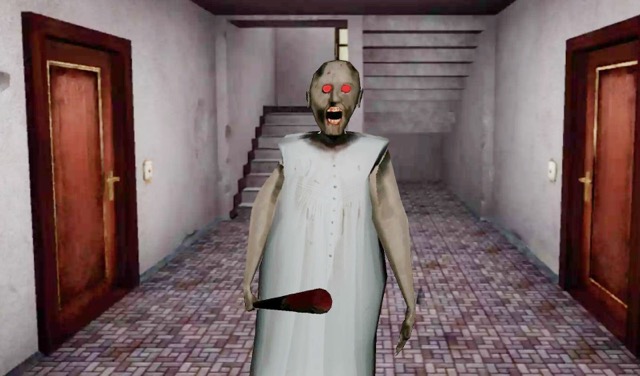
Granny Creepy House is a focused, atmospheric horror escape built around six handwritten notes hidden in a cramped house where almost everything you touch makes a noise and Granny's patrol is erratic enough that you never quite feel settled. The house is small — not the sprawling multi-floor mansions of some Granny entries — which makes the constant possibility of an encounter feel more immediate. There's less distance between you and wherever she currently is. The walls are close. The doors that won't open without keys feel more frustrating when the alternative room is only a few feet away.

The six notes are the objective, and they require the kind of searching that most players underestimate on first runs. They look like scraps — no obvious glow, no guaranteed eye-level placement, nothing that marks them as the essential items they are. One might be behind a plant you walked past. Another stuffed into a kitchen drawer you opened but didn't fully examine. A third stuck to a shelf in a corner at a height that doesn't draw the eye during a standard room scan. The game's challenge isn't Granny alone — it's Granny in combination with items that don't announce themselves as items.

The hiding system has a hard rule that matters: ducking under a bed or crouching behind furniture only works if Granny hasn't seen you start the movement. If she's in the room when you begin your hide, the action fails. This means hiding must be preemptive — based on sound detection and anticipation — rather than reactive to visual confirmation of her presence.

Key Details:

  • Genre: Survival Horror / Escape Puzzle
  • Difficulty Level: Medium
  • Average Play Time: 15–30 minutes per session
  • Best For: Horror escape fans aged 12+; players who enjoy dense, small-space stealth tension; fans of note-collection objectives with genuinely hidden item placement

2. How to Play

Getting Started:

  1. Move slowly from your first step — Even chair-dragging generates noise that can call Granny over. Walk at default pace or crouch (C) in sections where she may be nearby. The house is small enough that a noise in one room is audible from most other rooms.
  2. Examine every shelf, drawer, and floor-level position in each room — Notes look like discarded scraps and are not marked with glowing outlines or obvious indicators. Scan at multiple heights in every room — shelves at different levels, behind objects on counters, drawers you open fully rather than glance at.
  3. Learn Granny's patrol sounds before committing to searches — The dragging stick and shuffling steps tell you where she is before you see her. Listen for her position before entering any room rather than entering and searching reactively to her proximity.
  4. Hide preemptively — never reactively — Duck under beds (C) and find cover based on audio cues, not visual confirmation. If Granny is already in the room when you begin hiding, the action fails. You must be concealed before she arrives, not after.
  5. Track which notes you've found and which rooms remain — Six notes across a small house means the unfound ones are in sections you haven't fully searched. When you're missing notes, revisit rooms and check positions at different heights and behind objects you may have scanned but not fully investigated.

Basic Controls:

ActionInput
Look aroundMouse
MoveWASD or Arrow Keys
InteractE
Duck / crouchC
PauseEsc

Objective: Find all six handwritten notes hidden in hard-to-spot positions throughout the cramped house — in kitchen drawers, on corner shelves, behind plants and buckets — while avoiding Granny's unpredictable patrol. Use preemptive hiding based on audio cues, manage noise from all interactions, and collect all six notes to complete the run.


3. Game Features & Highlights

  • Six notes in genuinely non-obvious positions — Notes look like discarded scraps and are hidden behind plants, in drawers, on corner shelves, and in other locations that require active, multi-height searching rather than surface-level scanning
  • Cramped house layout creating close-proximity tension — A smaller environment than most Granny games concentrates the tension — Granny is always within a few rooms of your current position, and the small scale makes noise consequences more immediate
  • Preemptive-only hiding mechanic — Hiding under beds and behind furniture only works if Granny hasn't seen you begin the movement — a hard rule that requires audio-cue anticipation rather than visual-trigger reaction
  • Comprehensive noise system — Chair-dragging, squeaky floorboards, key-grabbing, and door-tugging all generate alert-relevant noise, making every interaction a deliberate stealth decision
  • Unpredictable Granny patrol — Granny responds to minor sounds and doesn't follow a fixed route, making her position continuously uncertain and audio-monitoring essential throughout the run

4. Tips & Strategies

Beginner Tips:

  • Notes behind plants and in corners at non-standard heights are the most commonly missed. After searching a room's obvious surfaces and drawers, specifically check floor-level positions behind furniture, the backs of shelves at low and high heights, and any plant or decorative object large enough to conceal something behind it.
  • The hide-must-be-preemptive rule means you need to know Granny's audio position before entering any room rather than during your time in it. Don't enter a room, start searching, hear Granny approach, and then try to hide — by the time she's audibly approaching the room you're in, you've lost the preemptive window. Enter only when her audio places her elsewhere.
  • Keys for jammed doors are found during the same exploration that turns up notes. Don't treat key-finding as a separate objective phase — search every room thoroughly for both simultaneously, as keys and notes both appear in the same hiding-spot logic of the house.

Advanced Strategies:

  • Develop a room-coverage checklist mentally for each room: floor level (under and behind low furniture), waist height (drawers, shelves at standard reach), above eye level (high shelves, tops of objects), and behind vertical objects (plants, buckets, standing items). Running this checklist on each room entry ensures systematic coverage rather than the ad-hoc scanning that misses corner-shelf notes.
  • Use Granny's patrol to create search windows. When her shuffling places her in the far section of the house, use that audio confirmation to move to and search the rooms she just vacated rather than rooms adjacent to her current position. Her patrol gives you a brief clear window in each section she leaves.
  • The house creaking when you find a note is an atmospheric cue that may mask brief noise from your movement — the creak sound covers a small window immediately after note collection. Use this window to reposition or quickly interact with nearby elements before Granny can respond to any secondary noise you generate.

What to Watch Out For:

  • Starting a hide after seeing Granny enter the room — The mechanic is absolute: reactive hiding fails. The moment you see Granny entering from any angle, it's already too late to hide. Accept the caught consequence and treat the attempt as information — now you know which route she came through, which improves your preemptive positioning on the continued run.
  • Passing drawers without fully opening them — Notes stuffed in kitchen drawers require the drawer to be fully opened and examined at its interior depth, not just pulled and glanced at. A drawer you opened and saw nothing on top of may have a note in the back of it. Interact fully rather than quickly.

5. Game Elements Explained

The Six-Note Search Challenge The note collection in Granny Creepy House creates a search challenge that's harder than the number suggests for one specific reason: notes look like scraps. There's no glowing outline, no obvious player-facing design that marks collected notes as objectives. They're visually consistent with the house's general clutter of discarded objects — old buckets, chairs, plants — which means a cursory room scan may register a note as background detail rather than collectible. This intentional visual camouflage means the game rewards thoroughness specifically — players who approach each room with the assumption that something important may be hiding in an unexpected position find all six; players who scan quickly and move on don't. The positions compound the visual challenge: corner shelves at non-standard heights, behind plants that break direct sight lines, inside drawers at the rear of the interior rather than near the front. Searching Granny Creepy House correctly means treating the entire room surface area as a potential note location rather than checking the obvious spots and concluding the room is clear.

The Preemptive Hiding System Granny Creepy House's hiding mechanic operates on a single firm rule that most players discover the hard way: hiding works only if Granny hasn't seen you begin the movement. If she enters a room while you're crouching behind furniture or sliding under a bed, she catches you regardless of how complete the hiding action appears. This rule forces a behavioral shift from reactive hiding (hearing Granny, ducking immediately) to preemptive positioning (anticipating her patrol from audio cues and being in cover before she arrives). The rule makes audio monitoring — specifically, knowing where Granny is relative to your current room before you enter any section — the foundational skill the game demands. Players who develop the reflex of listening before moving and positioning themselves near cover options before they need them find the hiding system reliable. Players who depend on quick reactions to visual confirmation of Granny's presence will consistently find the hide-window closed before they've completed the action.

The Comprehensive Noise Consequence System Granny Creepy House's noise system is broader than most Granny-genre entries. Standard entries typically track footstep noise and dropped items as primary alert triggers. Granny Creepy House extends the noise-consequence system to everyday interactions: chair-dragging (mentioned explicitly in the original copy), squeaky floorboards crossed at specific spots, key collection over noise-generating surfaces, and door-handle tugging. This breadth means that the stealth challenge is not primarily about movement speed but about interaction quality — every action in the house carries a noise profile, and planning which actions to take and when requires awareness of that profile. The practical consequence is that rooms can't be searched efficiently and quietly simultaneously — thorough searching requires time and multiple interactions, each of which may generate some noise. Managing the balance between thorough searching (which takes time and interactions) and Granny's patrol cycle (which determines how long any given room is safe) is the game's core tension.


6. Frequently Asked Questions

Q: Where are the six notes most commonly missed? A: The most frequently overlooked positions are behind plants (the note is behind the plant body rather than adjacent to it, requiring close positioning before the interaction prompt appears), on corner shelves at non-eye-level heights (specifically low shelves that require looking downward and high shelves requiring looking upward), and in the rear interior of kitchen drawers (the drawer appears empty at first glance but has a note at its back depth). Check these specific positions in every room where they're present before concluding the room is clear.

Q: Why does hiding fail even when I'm under the bed before Granny arrives? A: Hiding fails if Granny's line of sight detected you beginning the hiding movement — not necessarily if she's already in the room. If she was in your sight line and you in hers when you started crouching or sliding under the bed, the hide fails even if you reach cover before her physical arrival. This is the preemptive-only rule in action: the hide must be initiated when she cannot see you, not simply completed before she physically enters the space.

Q: Are key locations fixed or randomized between runs? A: Key and note positions in Granny Creepy House are placed in specific locations consistent with the house's design rather than randomized per run. This means that once you've discovered a key or note position, that knowledge applies to subsequent runs. Use early runs as learning sessions and later runs as increasingly efficient execution of the positions you've identified.

Q: Is Granny Creepy House playable on mobile? A: Granny Creepy House runs via HTML5/Unity WebGL in desktop web browsers. The keyboard-and-mouse control scheme — WASD, mouse, E, C — is designed for desktop or laptop play. Desktop play on Chrome, Firefox, Safari, or Edge provides the optimal experience. Mobile play is not recommended.

Q: What happens when I find a note? A: When you successfully interact with a note (E while positioned close enough for the prompt), the house produces a distinctive creak sound — noted in the original copy as "almost like it's disappointed." Your note count advances. No further action is required with the note itself after collection. Continue searching for remaining notes until all six are found, at which point the run's objective is complete.

7. Related Games You Might Enjoy

If you like Granny Creepy House, you might also enjoy:

  • Granny 4 - It offers another browser horror run with related survival, puzzle, or escape pressure.
  • Granny 2 - It offers another browser horror run with related survival, puzzle, or escape pressure.
  • Granny 3 Original - It offers another browser horror run with related survival, puzzle, or escape pressure.